
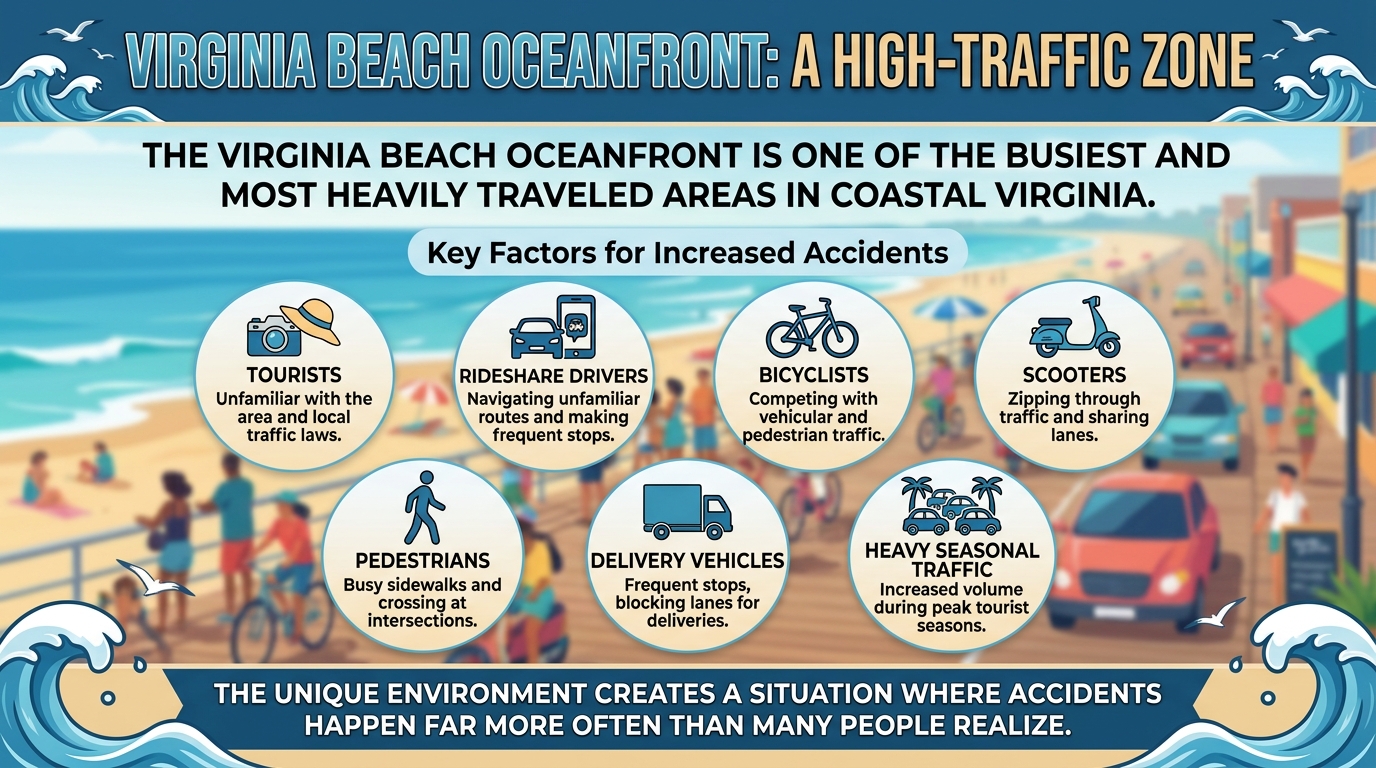
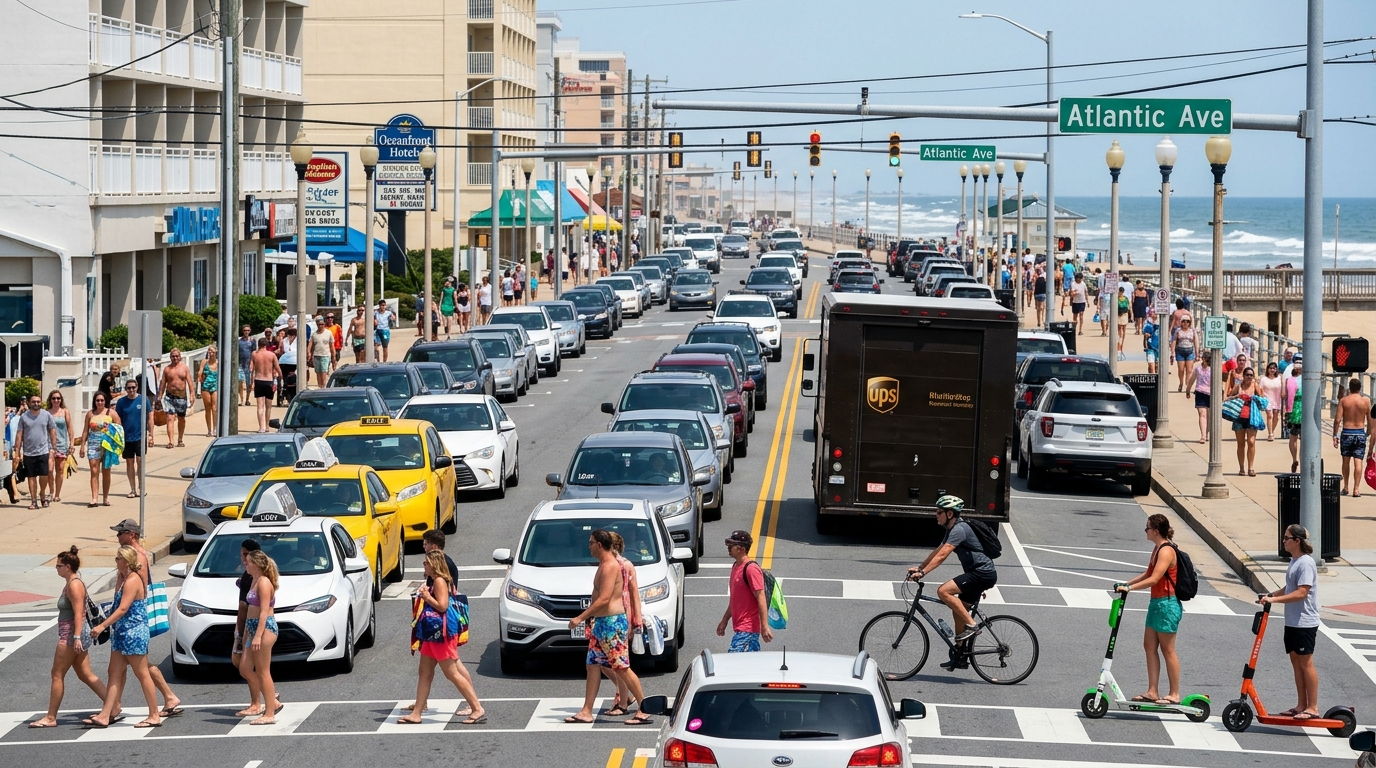
The Virginia Beach Oceanfront is one of the busiest and most heavily traveled areas in coastal Virginia. With tourists, rideshare drivers, bicyclists, scooters, pedestrians, delivery vehicles, and heavy seasonal traffic, the Oceanfront creates a unique environment where accidents happen far more often than many people realize.
From Atlantic Avenue and Pacific Avenue to the busy intersections near the boardwalk, drivers and pedestrians are constantly navigating congestion, distractions, and unpredictable traffic patterns. During peak tourist season, these hazards increase dramatically.
For residents and visitors alike, understanding the most common accident risks near the Oceanfront can help reduce injuries and improve safety. For people injured in such accidents, understanding liability after an accident is equally important.
Why the Virginia Beach Oceanfront Is a High-Risk Area
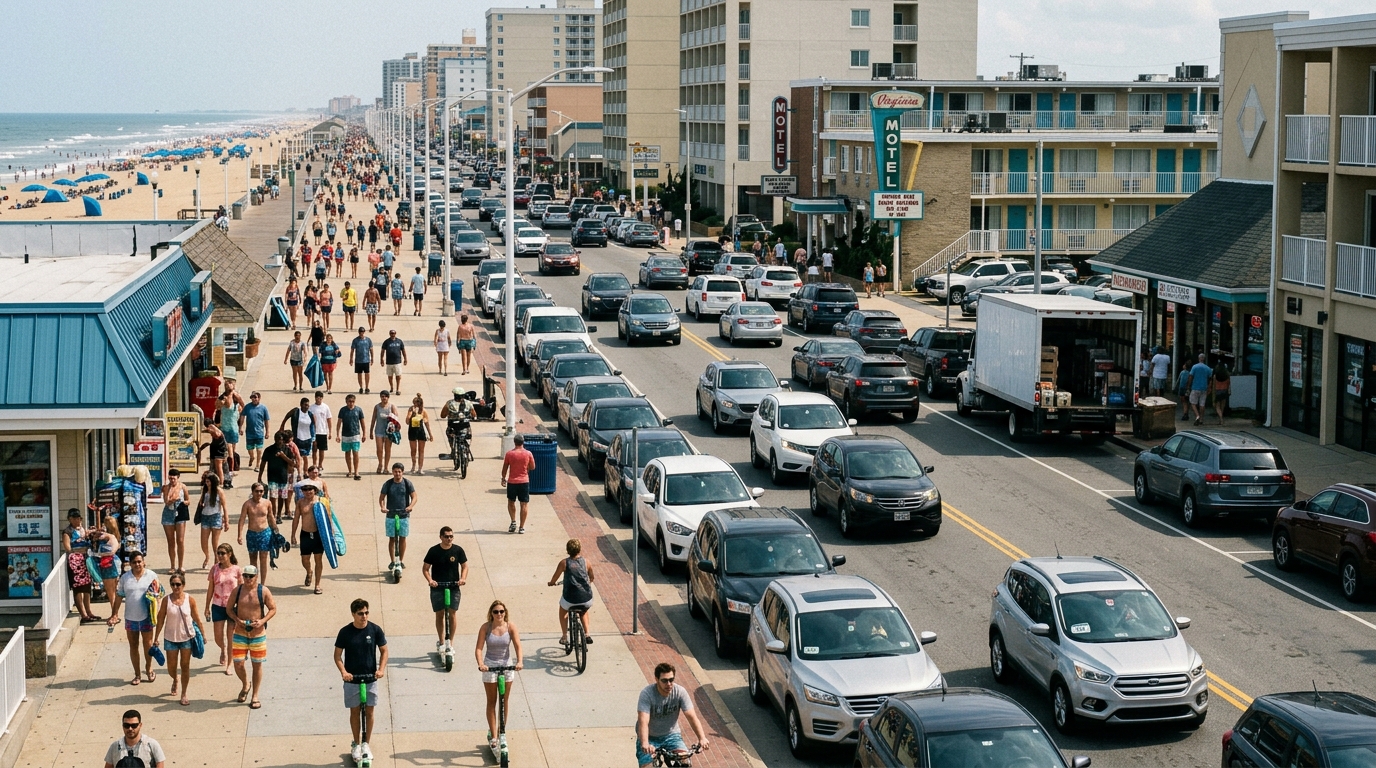
The Oceanfront combines several accident risk factors into one concentrated location:
- Heavy vehicle congestion
- Large numbers of pedestrians
- Frequent stop-and-go traffic
- Out-of-town drivers unfamiliar with local roads
- Bicycles and electric scooters sharing traffic space
- Alcohol-related activity
- Distracted driving
- Limited parking and aggressive parking maneuvers
- Merging Traffic
Unlike standard suburban traffic patterns, Oceanfront traffic is often unpredictable. Drivers may suddenly stop to look for parking, pedestrians may cross outside designated crosswalks, and tourists may become distracted while navigating unfamiliar streets.
As a result, collisions are more likely, especially during spring and summer months.
Common Types of Accidents Near the Oceanfront
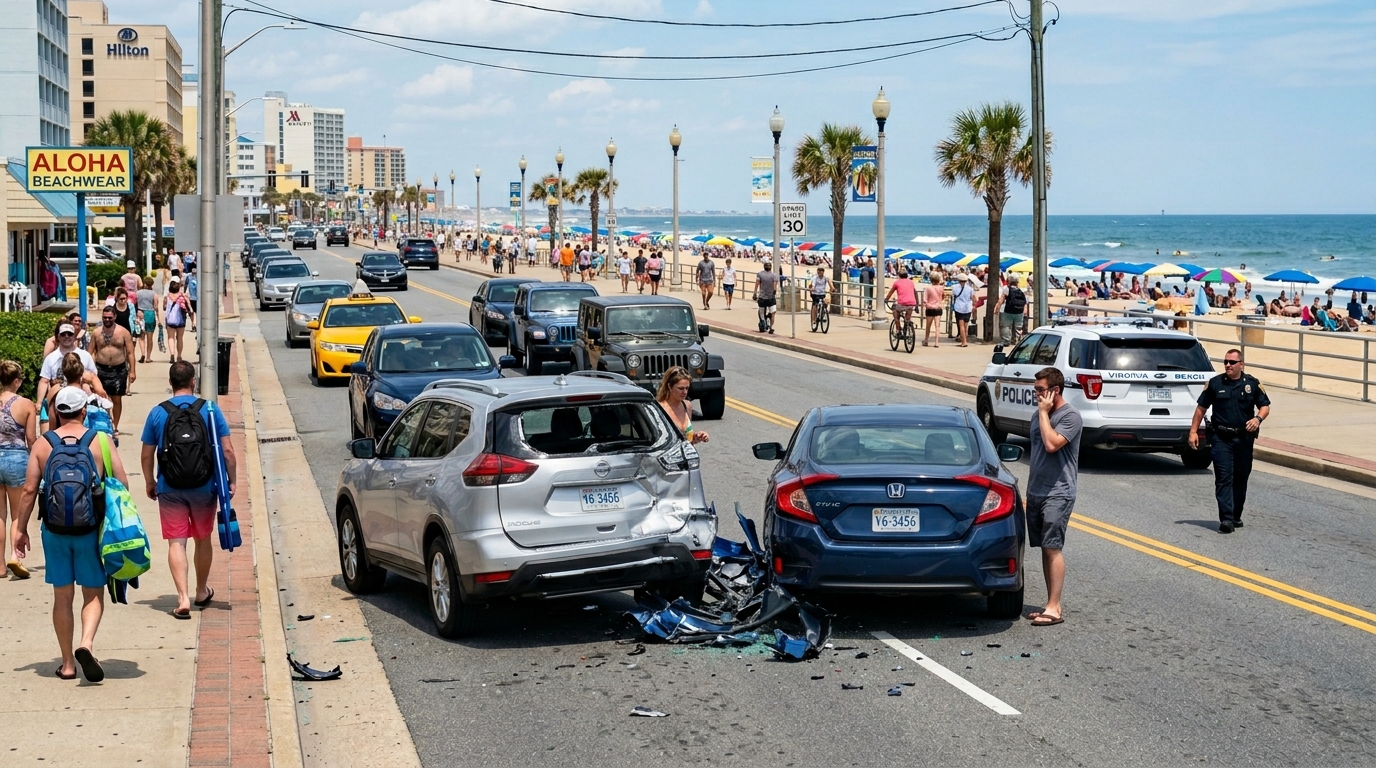
Rear-End Collisions
Rear-end crashes are among the most common accidents near the Oceanfront.
These collisions frequently occur because of:
- Sudden braking
- Congested traffic
- Drivers searching for parking
- Distracted driving
- Tourists slowing unexpectedly to locate hotels or attractions
Stop-and-go traffic along Atlantic Avenue and Pacific Avenue creates constant opportunities for rear-end impacts, especially during evenings and weekends.
Even low-speed rear-end crashes can cause:
- Whiplash injuries
- Herniated discs
- Concussions
- Shoulder injuries
- Chronic neck and back pain
Pedestrian Accidents
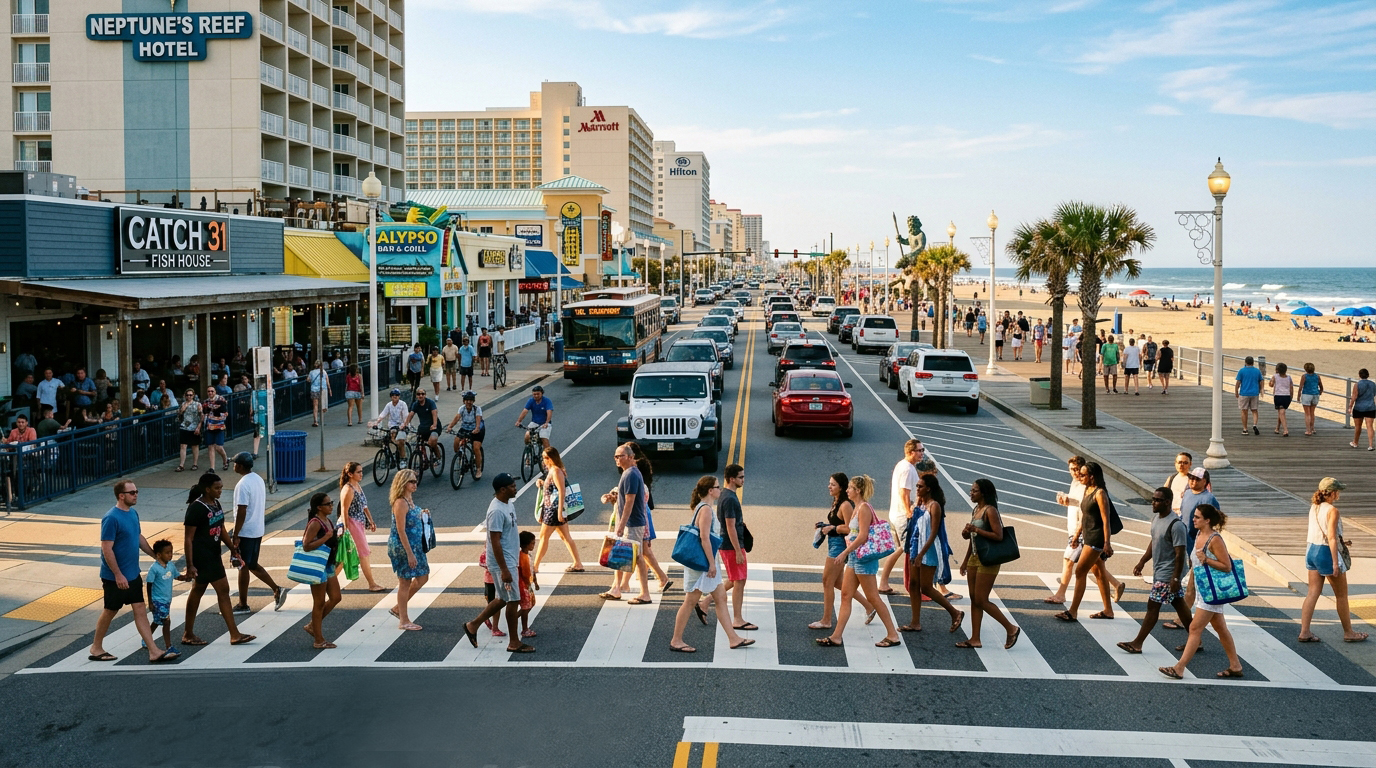
The Oceanfront is one of the most pedestrian-heavy areas in Virginia Beach. Thousands of people cross intersections, walk along the boardwalk, and move between hotels, restaurants, bars, and parking garages every day.
Common pedestrian accident causes include:
- Failure to yield at crosswalks
- Distracted driving
- Speeding
- Impaired driving
- Poor nighttime visibility
- Pedestrians crossing outside marked areas
Pedestrian injuries are often severe because the human body has little protection during impact.
Victims may suffer:
- Traumatic brain injuries
- Broken bones
- Spinal injuries
- Internal bleeding
- Permanent disabilities
Bicycle and Scooter Accidents
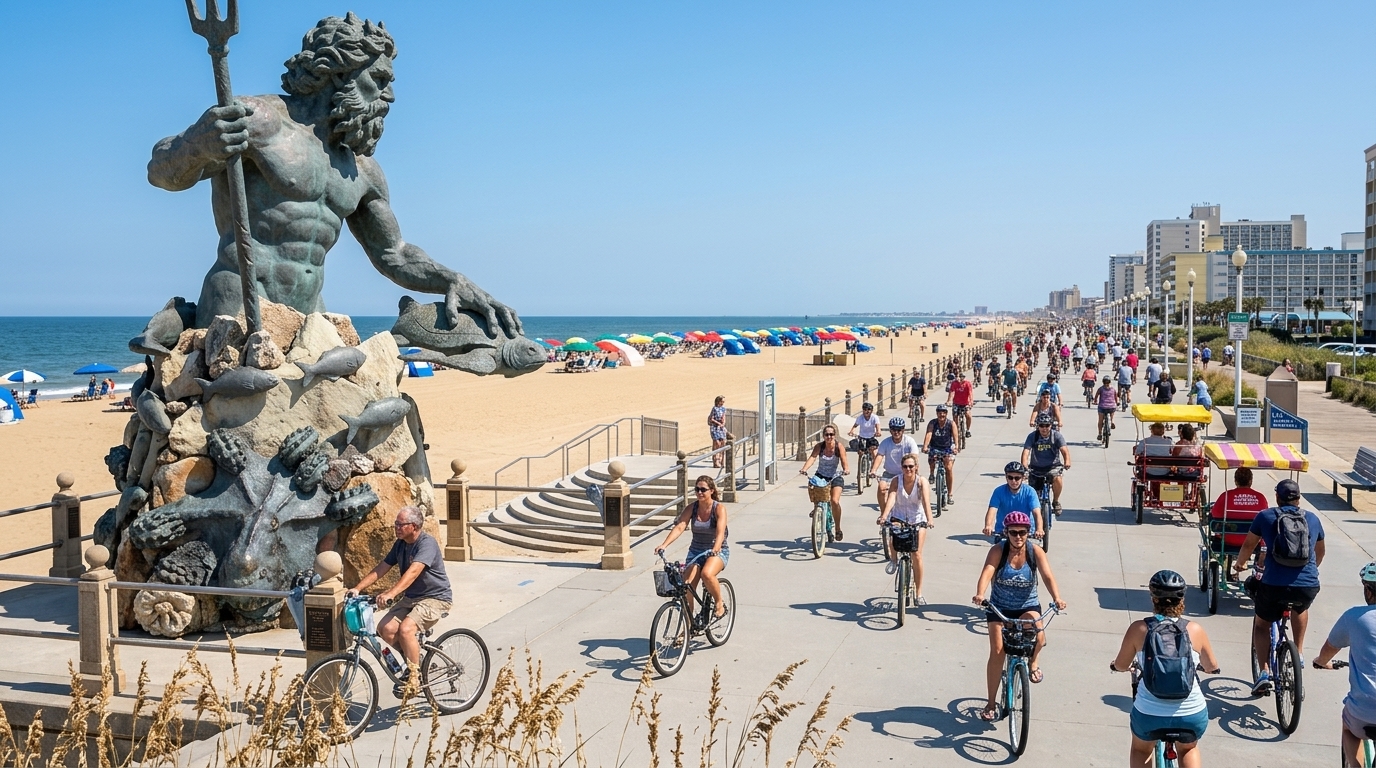
The Oceanfront attracts large numbers of bicyclists and electric scooter riders, especially during tourist season.
Accidents often happen when:
- Drivers fail to check blind spots
- Vehicle doors open into bike lanes
- Drivers turn without noticing cyclists
- Scooters weave through traffic unexpectedly
- Riders ignore traffic signals
Because bicycles and scooters offer minimal protection, riders are highly vulnerable to serious injuries.
Parking Lot and Parking Garage Accidents
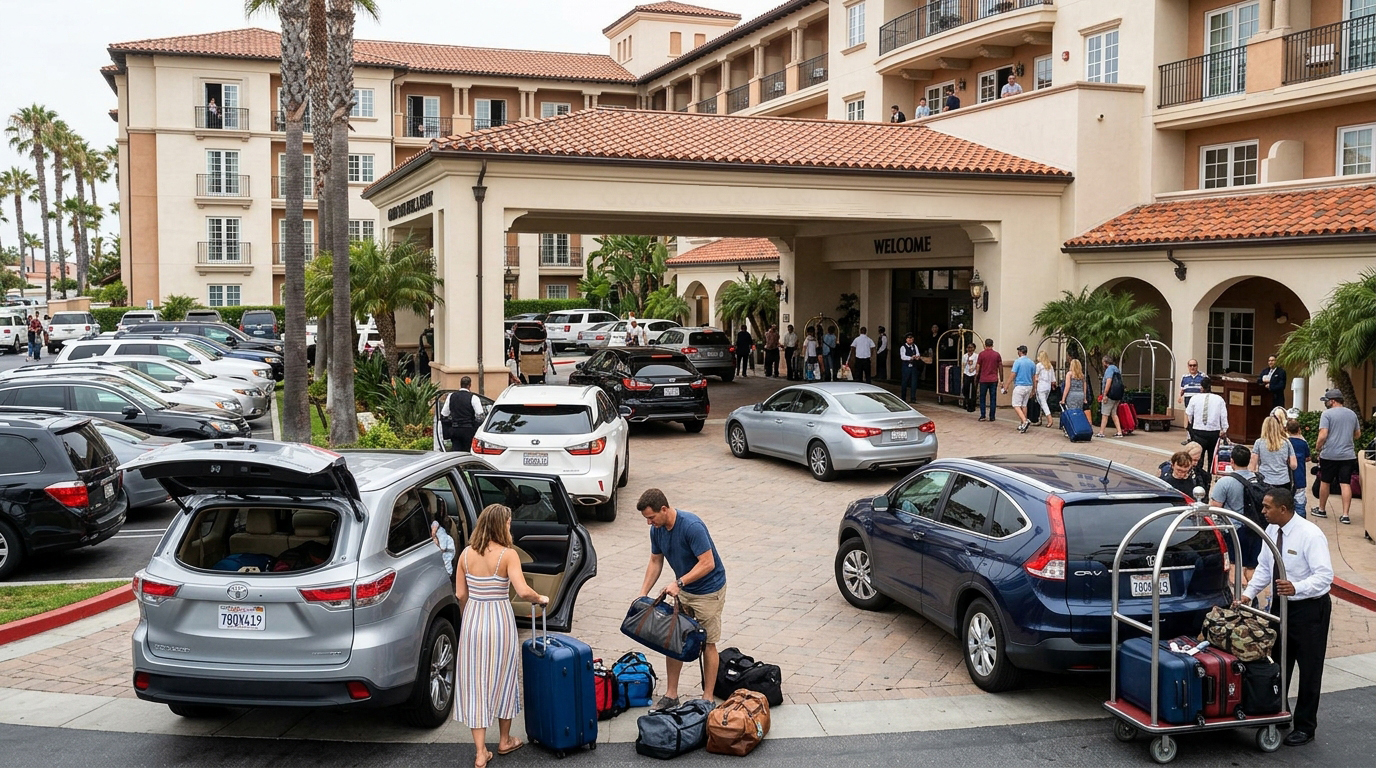
Parking areas near the Oceanfront can become extremely congested.
Common risks include:
- Drivers backing out without visibility
- Pedestrians walking between vehicles
- Tight parking spaces
- Drivers rushing to secure parking spots
- Confusion over right-of-way
Many parking lot accidents occur at lower speeds, but injuries can still be significant, especially involving pedestrians or cyclists.
Determining liability in parking lot accidents can sometimes be more complicated because multiple parties may share fault.
Drunk Driving Risks Near the Oceanfront
The Oceanfront contains a high concentration of:
- Bars
- Nightclubs
- Restaurants
- Entertainment venues
- Festivals and special events
As a result, alcohol-related crashes increase significantly during evenings, weekends, and holidays.
Impaired drivers may:
- Drift between lanes
- Fail to stop at intersections
- Strike parked vehicles
- Hit pedestrians
- Drive the wrong way on one-way streets
Drunk driving accidents often result in catastrophic injuries because intoxicated drivers tend to have delayed reaction times and poor judgment.
High-Risk Times for Alcohol-Related Crashes
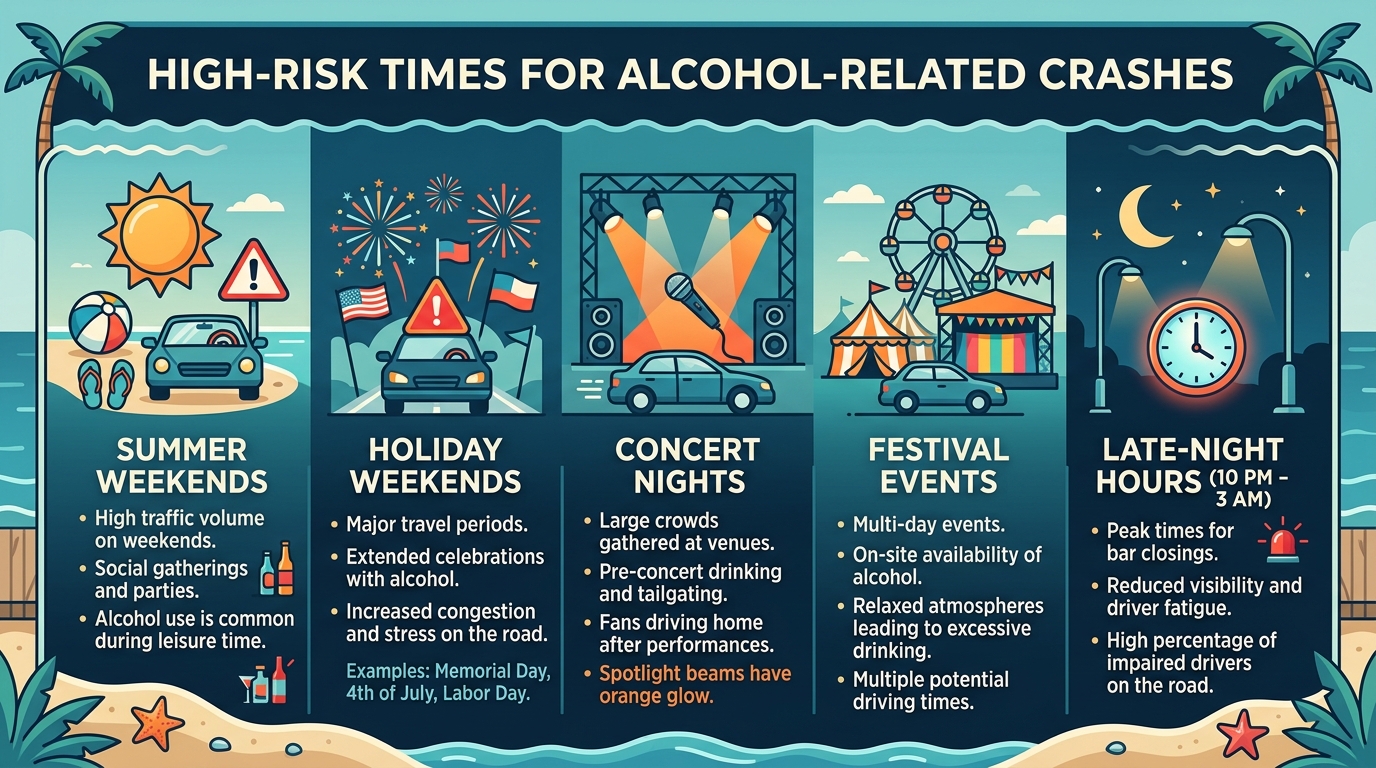
Some of the most dangerous periods near the Oceanfront include:
- Summer weekends
- Holiday weekends
- Concert nights
- Festival events
- Late-night hours between 10 PM and 3 AM
Rideshare and Delivery Vehicle Accidents
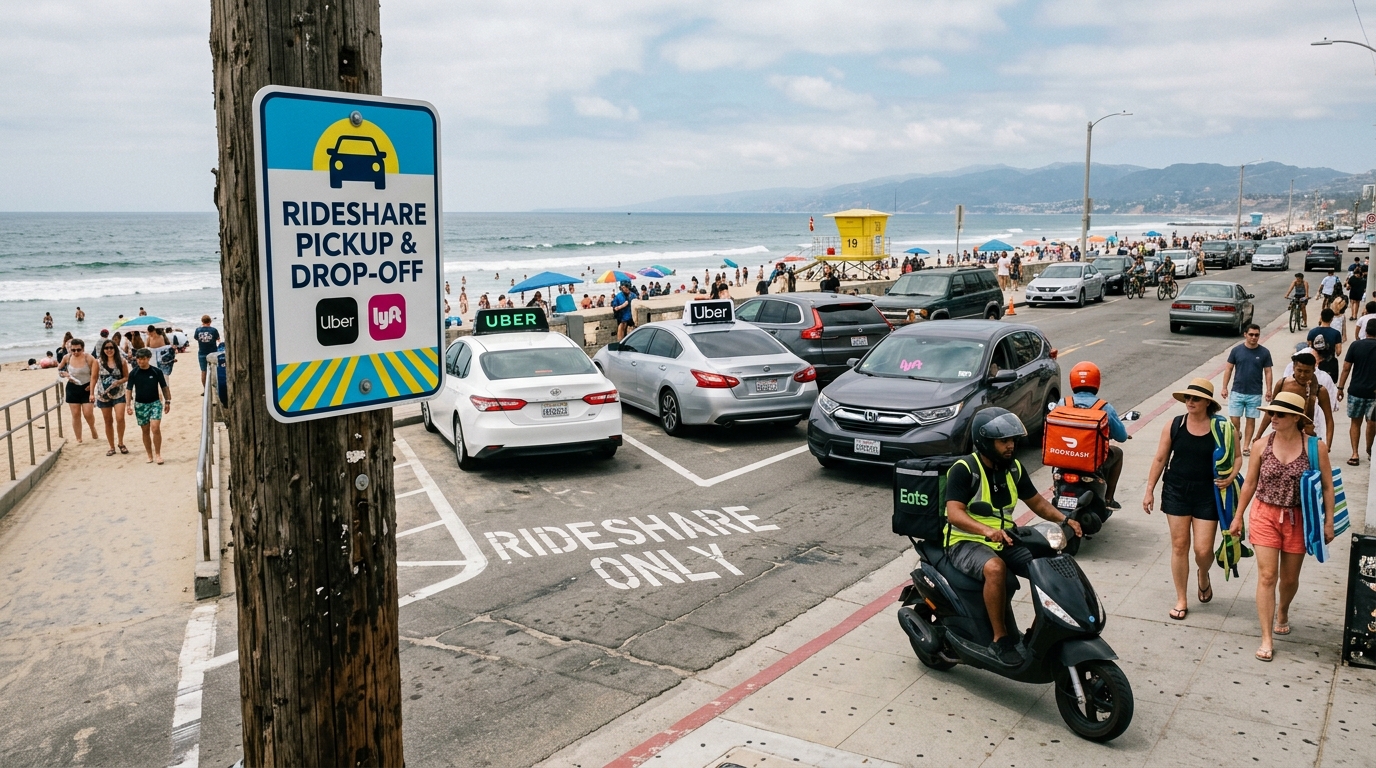
The Oceanfront has seen a sharp increase in rideshare traffic involving services like Uber and Lyft, along with food delivery drivers.
These drivers often:
- Stop unexpectedly
- Make sudden turns
- Focus heavily on navigation apps
- Double-park in congested areas
- Rush to complete trips quickly
Accidents involving rideshare vehicles can create complicated insurance issues because coverage may depend on whether the driver was actively using the app at the time of the crash.
Motorcycle Accidents Near the Oceanfront
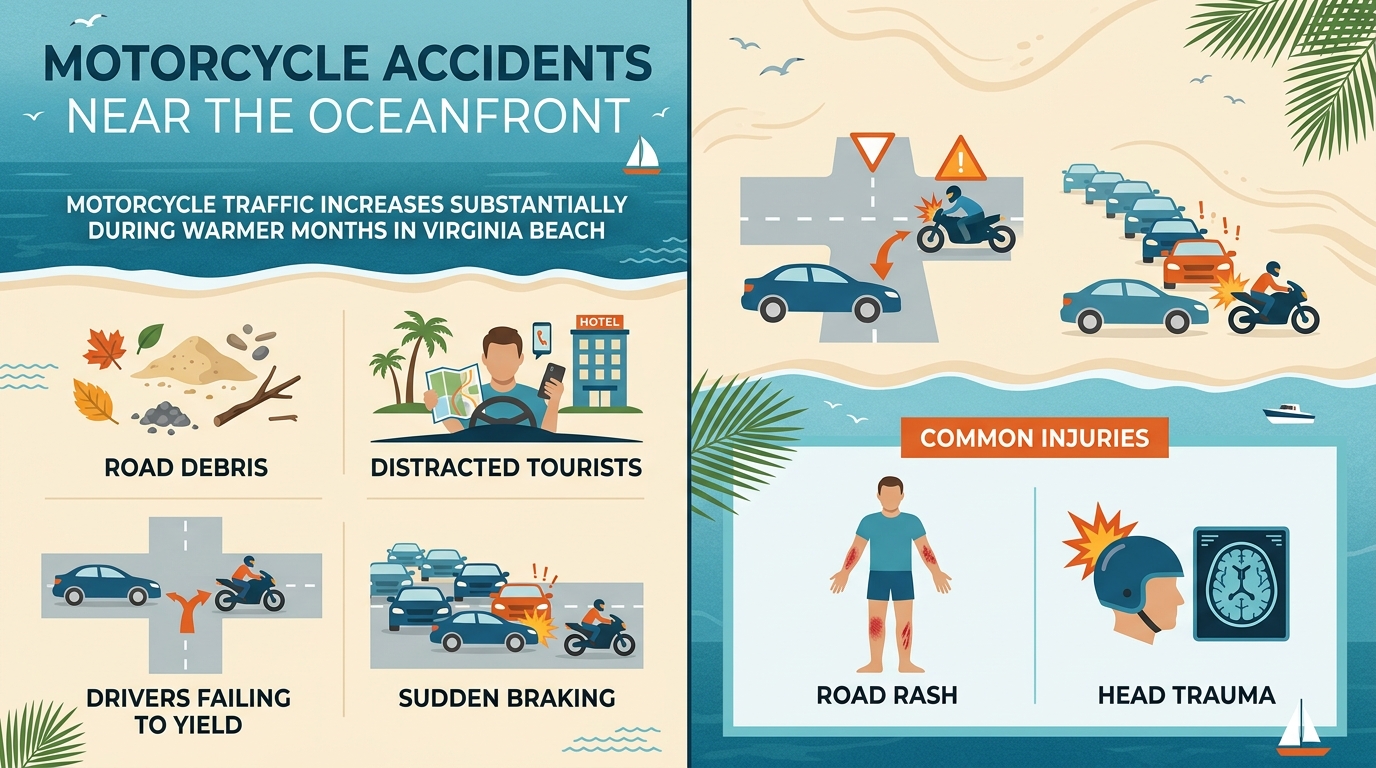
Motorcycle traffic increases substantially during warmer months in Virginia Beach.
Motorcyclists face additional risks from:
- Drivers failing to yield
- Congested lane changes
- Road debris
- Sudden braking
- Distracted tourists
Motorcycle accidents often result in severe injuries due to limited rider protection.
Common injuries include:
- Road rash
- Broken bones
- Head trauma
- Spinal cord injuries
- Amputations
Weather-Related Hazards Near the Coast
Coastal weather conditions can quickly create dangerous driving situations near the Oceanfront.
Common weather hazards include:
- Heavy rain
- Standing water
- Reduced visibility
- Fog
- Hurricane season conditions
- Slick roads caused by salt air and moisture
Tourists unfamiliar with coastal driving conditions may underestimate stopping distances or hydroplaning risks.
Drivers are expected to adjust their speed and behavior based on weather conditions. Failure to do so may constitute negligence.
Dangerous Intersections and Congested Areas
Certain areas near the Oceanfront tend to experience higher accident rates because of traffic density and pedestrian activity.
These may include:
- Atlantic Avenue intersections
- Pacific Avenue corridors
- 19th Street
- 21st Street
- Areas near hotel entrances
- Parking garage exits
- Boardwalk crossings
Intersections with heavy foot traffic often create accidents between vehicles and pedestrians, particularly during nighttime hours.
Common Injuries in Oceanfront Accidents
Victims injured near the Oceanfront may suffer:
- Whiplash
- Concussions
- Broken bones
- Traumatic brain injuries
- Spinal cord injuries
- Soft tissue damage
- Internal injuries
- Psychological trauma
Some injuries may not appear immediately after a collision. Adrenaline can temporarily mask pain symptoms, making prompt medical evaluation critical.
What to Do After an Accident Near the Oceanfront
After an accident, injured individuals should:
- Call 911
- Seek immediate medical attention
- Report the accident to police
- Take photographs of the scene
- Obtain witness information
- Avoid admitting fault
- Preserve medical records and receipts
- Consult a personal injury lawyer before getting deeply involved with insurers
Oceanfront accidents often involve multiple witnesses, surveillance cameras, businesses, and complex traffic patterns. Evidence can disappear quickly if not preserved.
When to Contact a Virginia Beach Personal Injury Attorney
Oceanfront accident cases can become legally complex very quickly.
An attorney may help:
- Investigate the accident
- Obtain surveillance footage
- Interview witnesses
- Handle insurance negotiations
- Calculate damages
- Pursue compensation for medical bills, lost wages, and pain and suffering
The sooner an investigation begins, the better the chances of preserving valuable evidence.
Final Thoughts
The Virginia Beach Oceanfront is a vibrant and exciting destination, but it also presents significant accident risks due to congestion, tourism, nightlife, and heavy pedestrian activity.
Whether an accident involves a car, pedestrian, bicycle, scooter, motorcycle, or rideshare vehicle, injuries can have lasting physical, emotional, and financial consequences.
Understanding the common hazards near the Oceanfront can help both residents and visitors stay safer while navigating one of Virginia Beach’s busiest areas.
Schedule a Consultation with Preston, Wilson & Crandley, PLC

By working with an accident injury attorney in Virginia Beach, you gain access to skilled legal guidance and strong representation. From handling intricate legal matters and negotiating with insurers to advocating for you in court, our experienced injury attorneys ensure you have the best chance of receiving fair compensation for your injuries.
We understand the nuances of Virginia personal injury law. We provide valuable insight into how to approach your case effectively, whether through negotiation with insurance companies or in court.
By working with an auto accident injury attorney in Virginia Beach, you gain access to skilled legal guidance and strong representation.
From handling intricate legal matters and negotiating with insurers to advocating for you in court, our experienced car accident injury lawyers ensure you have the best chance of receiving fair compensation for your injuries.
We understand the nuances of Virginia personal injury law. We can provide valuable insights into how to approach your case effectively, whether through negotiation with insurance companies or in court.
The injury law attorneys at Preston, Wilson & Crandley, PLC advocate on your behalf, ensuring that you are treated fairly and that your case is presented effectively.
Contact Preston, Wilson & Crandley, PLC at (757) 486-2700.
Follow us on Facebook.