
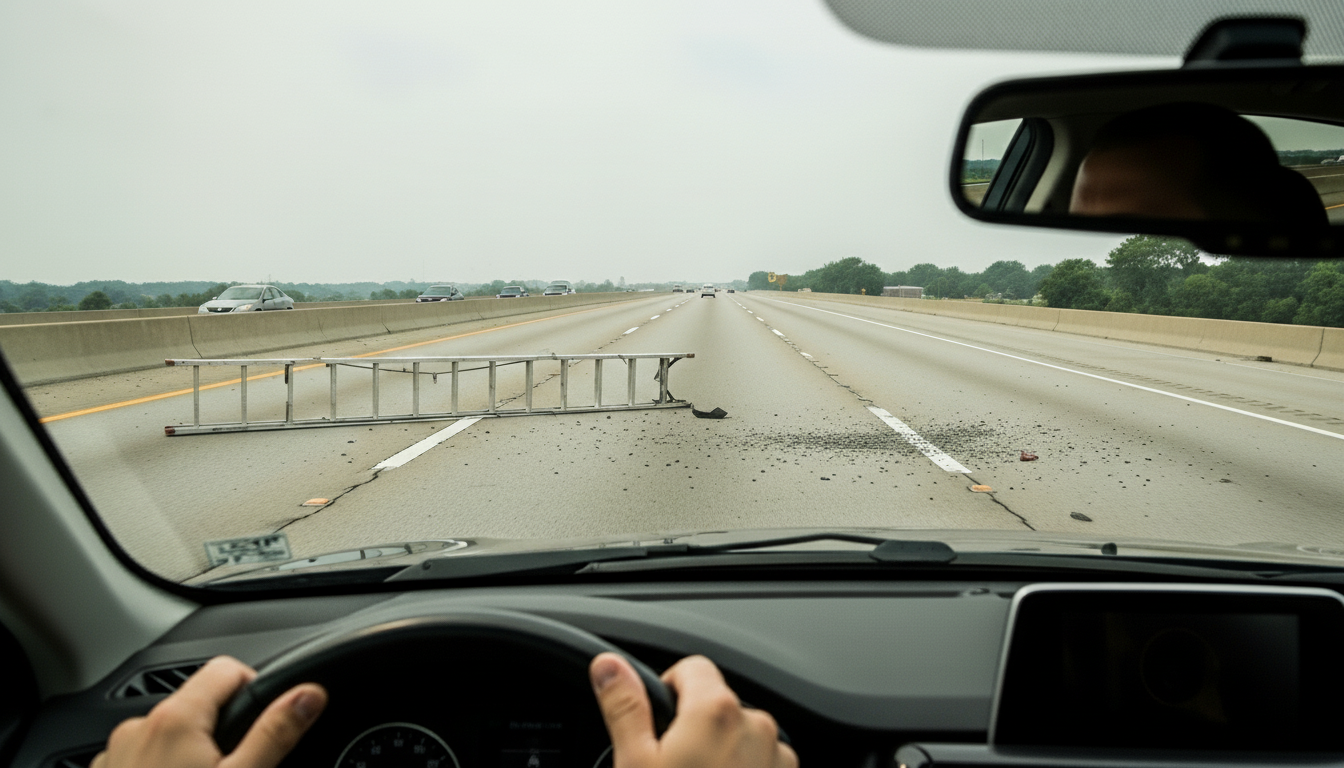
Cruising down I-264 or Shore Drive, the last thing you expect is a rogue ladder, a shredded tire, or unsealed gravel to suddenly appear in your path. Yet, road debris is a major hazard in Virginia Beach, often leaving drivers with split-second decisions that can lead to devastating collisions.
When a crash involves debris, the question of “who pays” becomes much more complex than a standard two-car fender bender. Under Virginia law, establishing liability requires proving negligence and pinpointing the origin of the dangerous condition.
1. The Negligent Driver or Trucking Company
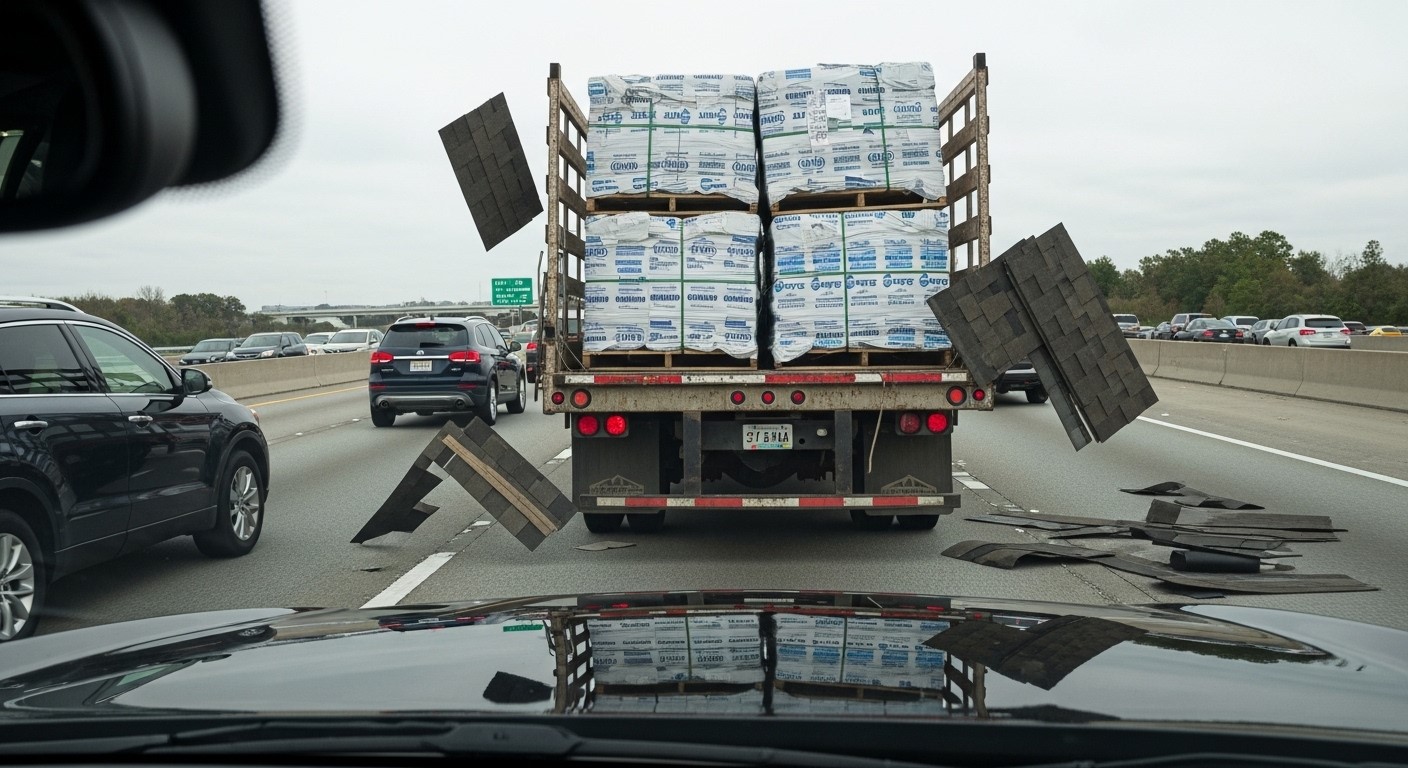
In many cases, road debris is not an “act of God“—it’s the result of human error. If an item falls off a vehicle, the driver of that vehicle is generally held responsible for any resulting damages.
-
- Commercial Trucks: Many debris accidents involve commercial haulers. Under Virginia law and federal FMCSA regulations, cargo must be properly secured. If a trucking company fails to use adequate tie-downs or to inspect its load, it is liable for the fallout.
- Private Vehicles: A homeowner moving furniture in a pickup truck is just as responsible for securing their load as a professional driver. If the driver’s unsecured mattress causes you to swerve and crash, their auto insurance should cover your losses.
2. Government Entities (VDOT or the City)
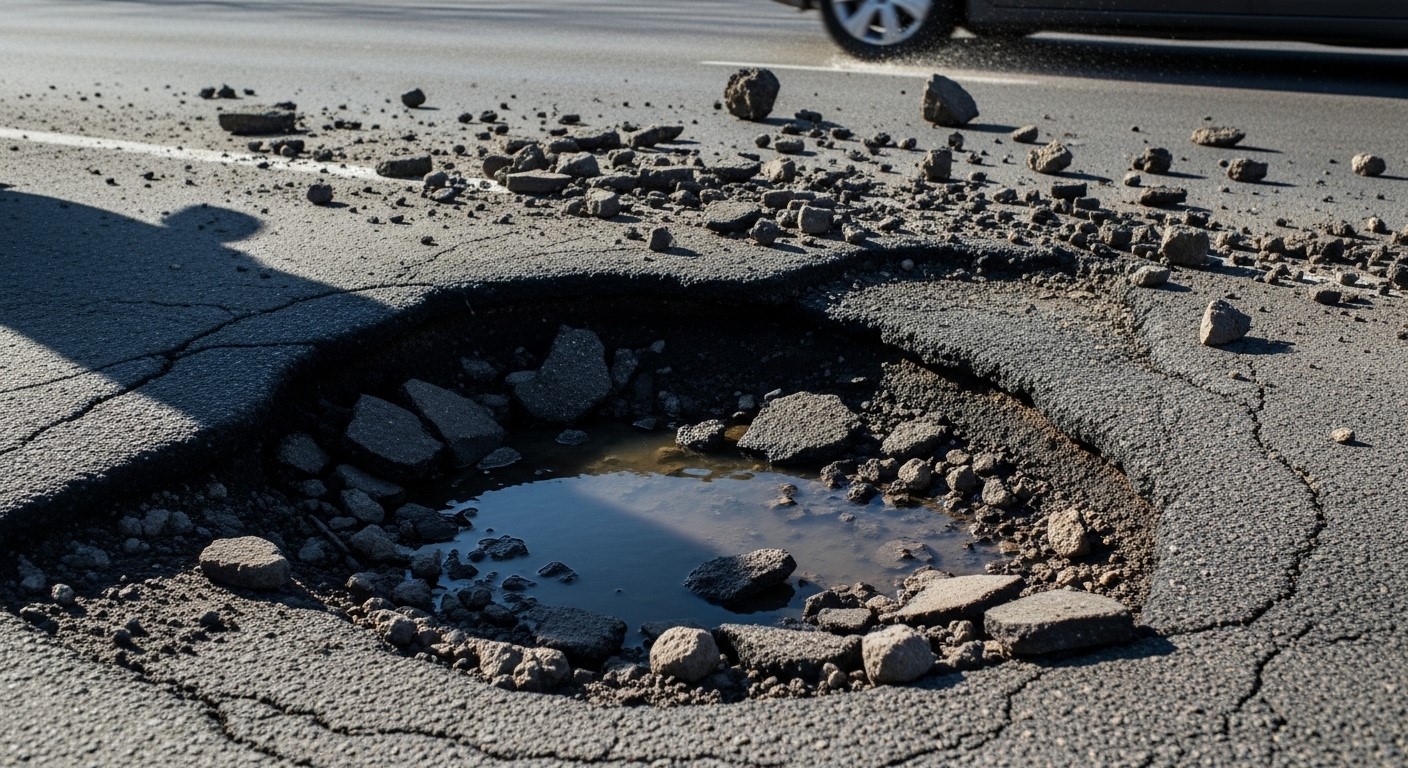
Sometimes, debris is not dropped by a vehicle but is a result of poor road maintenance—think large potholes or crumbling asphalt.
-
- Sovereign Immunity: Pursuing a claim against the Virginia Department of Transportation (VDOT) or the City of Virginia Beach is difficult due to “sovereign immunity.“
- The “Notice” Requirement: Liability against a government body usually depends on proving the agency knew about the dangerous condition in advance and failed to fix it within a reasonable period.
3. The Role of Your Own Insurance (Uninsured Motorist Coverage)

What happens if the car that dropped the debris keeps driving? This is a common “phantom vehicle” scenario.
In Virginia, your Uninsured/Underinsured Motorist (UM/UIM) coverage is your primary safety net here. Since you cannot identify the responsible party, your own insurance carrier steps into the shoes of the negligent driver to cover your injury and property damage claims.
The “Impact Rule” and Avoidance Maneuvers
A critical nuance in Virginia law involves how you reacted to the debris:
Scenario Liability Outlook
Direct Impact: If the debris hits your car while in motion, it is usually a clear-cut case of negligence by the party who dropped it.
Swerving to Avoid: If you swerve to miss a box or other object in the road and hit a guardrail instead, the question of liability will turn on whether you acted reasonably under the circumstances.
Steps to Take After a Debris-Related Crash
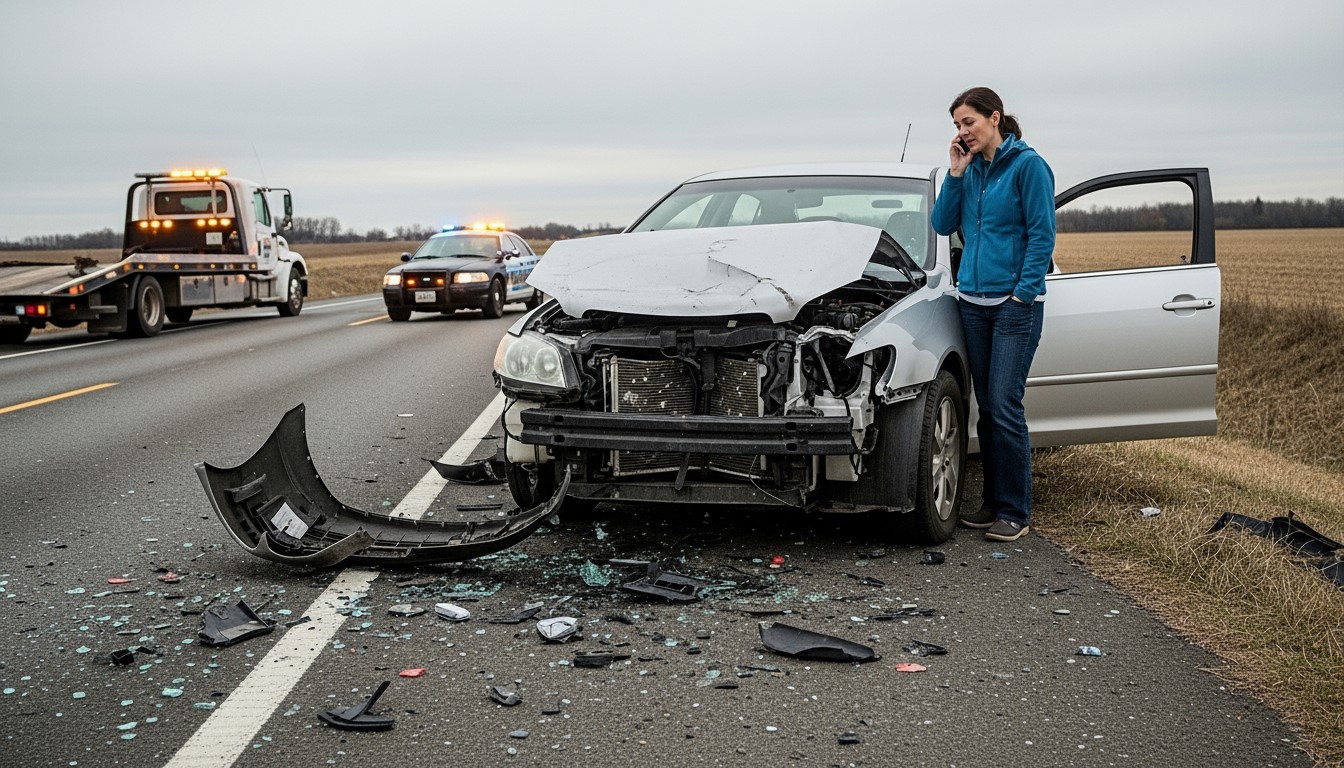
If you have been involved in a debris-related accident in the 757, your priority should be your safety and building a record of the incident:
- Call the Police: A formal accident report is essential, especially for insurance claims involving “unknown” drivers.
- Document the Debris: If it is safe to do so, take photos of the object that caused the crash. Look for markings, logos, or serial numbers.
- Identify Witnesses: Others may have seen which vehicle the object fell from or caught it on a dashcam.
Check for Cameras: Many Virginia Beach intersections and stretches of highway have traffic cameras that may have captured the responsible vehicle.
Schedule a Consultation with Preston, Wilson & Crandley, PLC
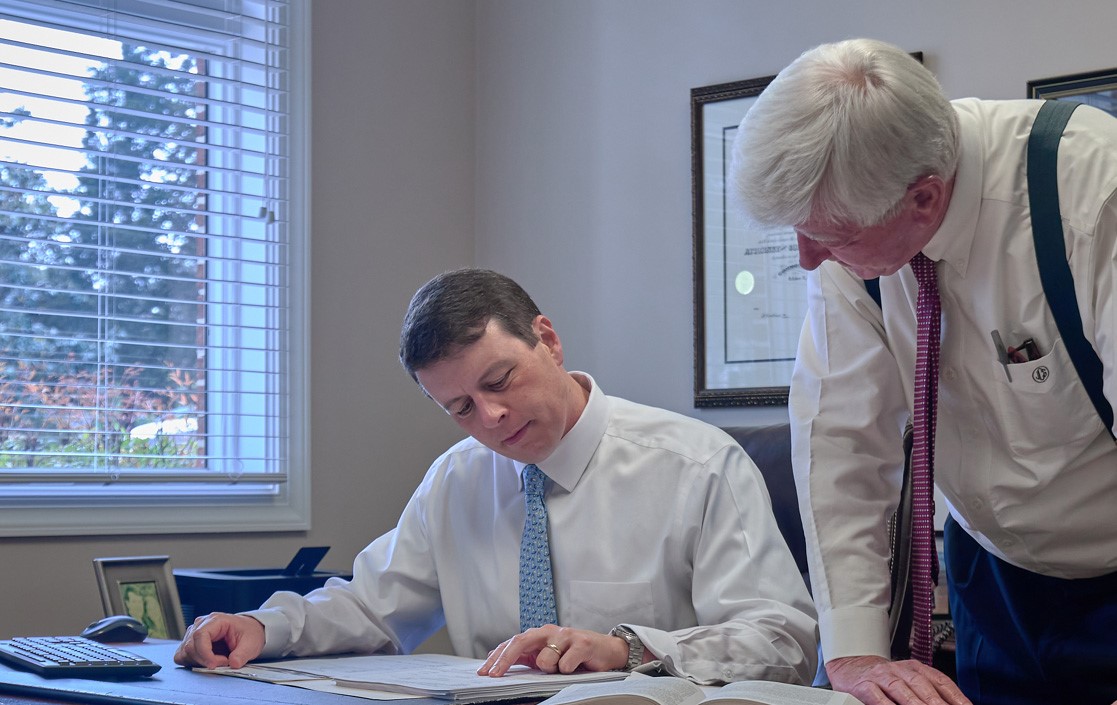
By working with an auto accident injury attorney in Virginia Beach, you gain access to skilled legal guidance and strong representation.
From handling intricate legal matters and negotiating with insurers to advocating for you in court, our experienced car accident injury lawyers ensure you have the best chance of receiving fair compensation for your injuries.
We understand the nuances of Virginia personal injury law. We can provide valuable insights into how to approach your case effectively, whether through negotiation with insurance companies or in court.
The injury law attorneys at Preston, Wilson & Crandley, PLC advocate on your behalf, ensuring that you are treated fairly and that your case is presented effectively.
Contact Preston, Wilson & Crandley, PLC at (757) 486-2700.
Follow us on Facebook.