

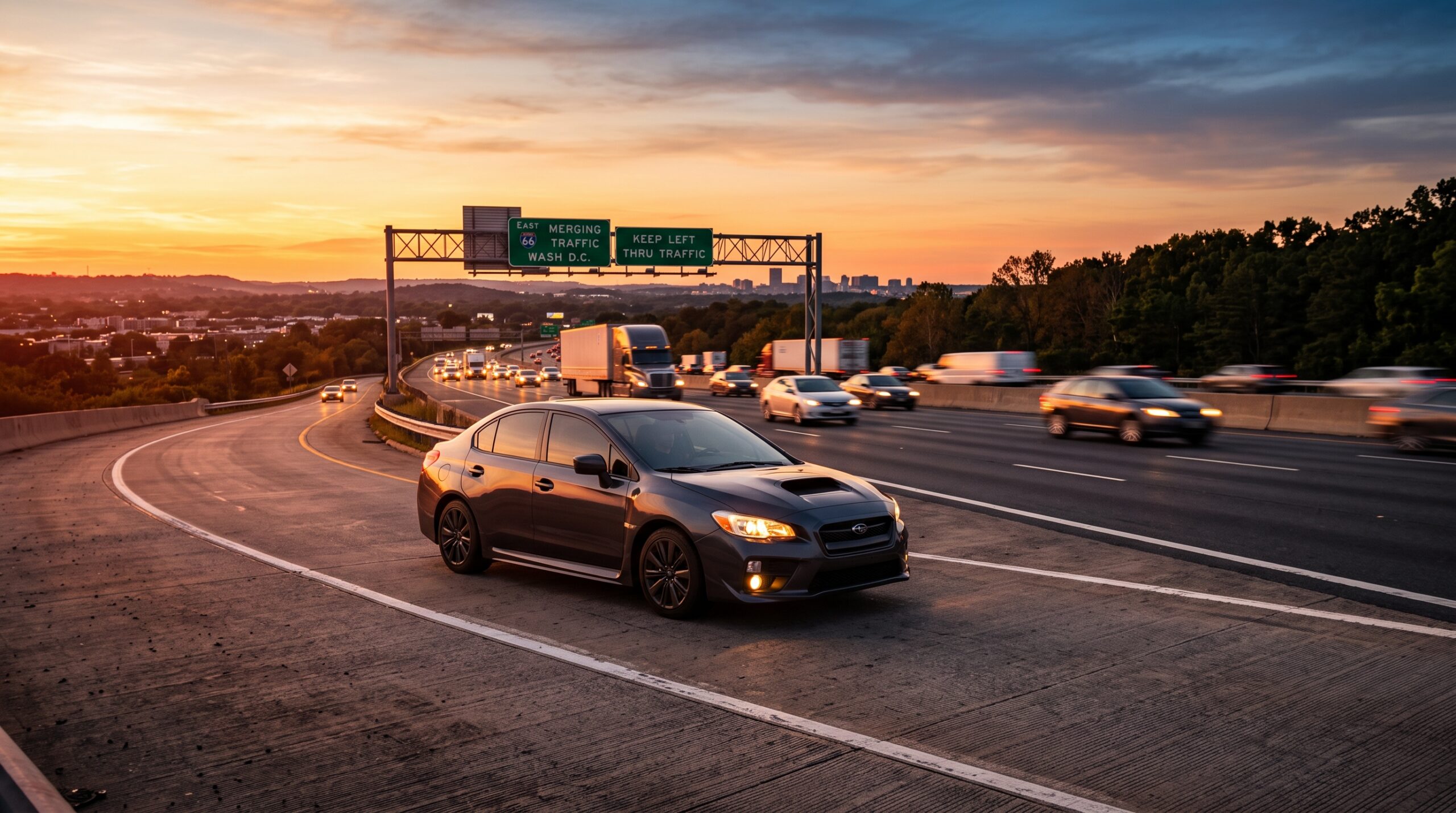
Merging on to a high-speed interstate is one of the most complex driving maneuvers a motorist performs daily. In a matter of seconds, a driver must match the speed of flowing traffic, judge distance and velocity in side mirrors, signal their intentions, and find an open gap—all while navigating limited ramp space.
Given the precise timing required, it is no surprise that merge zones are major hotspots for traffic collisions. Along Hampton Roads thoroughfares like Interstate 264, Interstate 64, and the Virginia Beach Expressway, side-swipe impacts, severe rear-end crashes, and multi-vehicle pileups occur regularly in acceleration lanes and exit ramps.
Understanding why merging accidents happen—and how Virginia law determines fault—is essential if you or a loved one are injured on the road.
Mismatched Speeds and Inadequate Acceleration
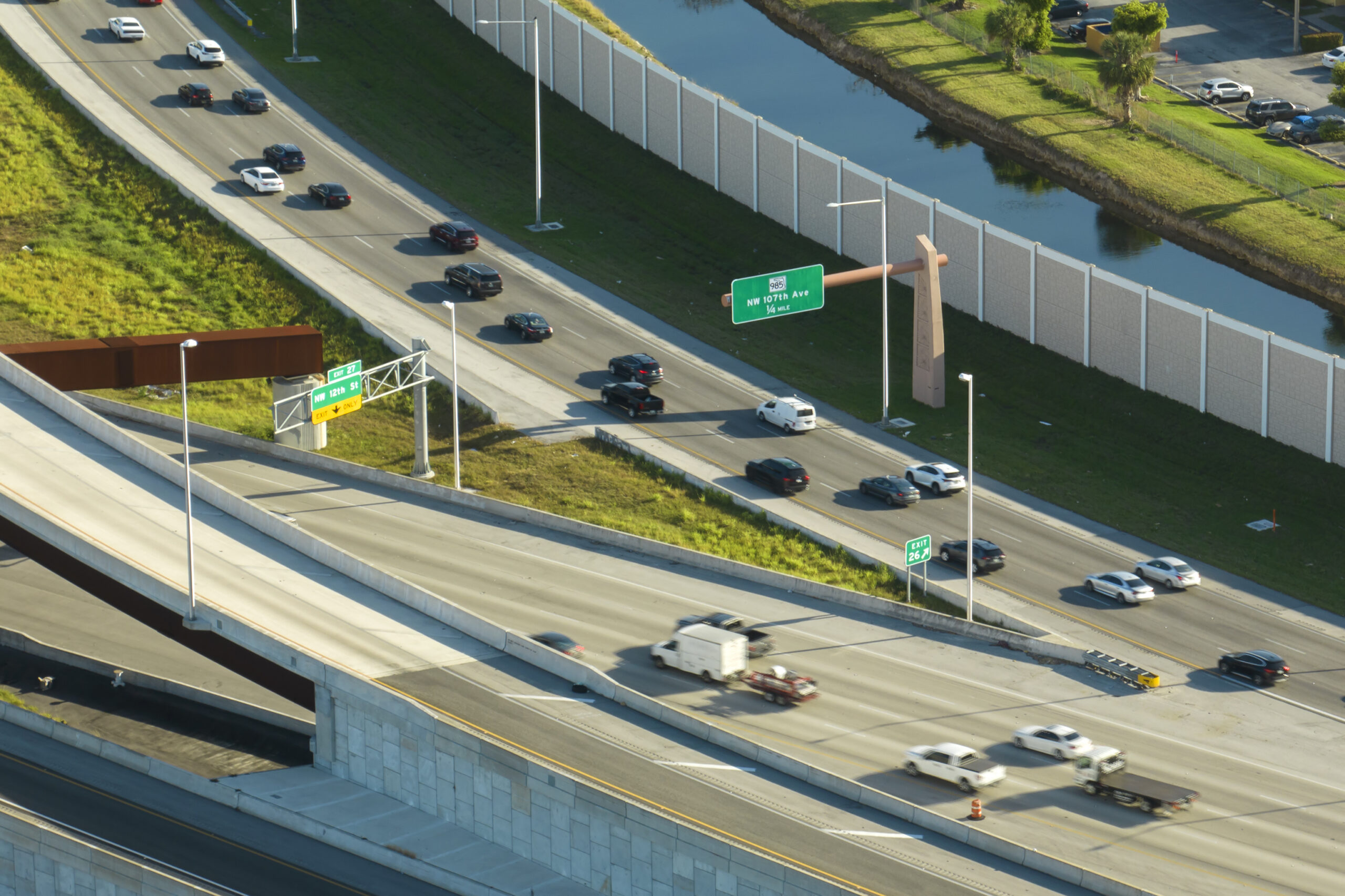
The primary purpose of an on-ramp and acceleration lane is to allow an entering vehicle to reach the surrounding flow of traffic before blending into the lane.
- Merging Too Slowly: Drivers who attempt to enter a 55 mph or 65 mph zone while traveling at 35 mph create a dangerous bottleneck. Oncoming vehicles are forced to slam on their brakes or swerve into adjacent lanes to avoid an impact.
- Speeding and Aggressive Driving: Drivers traveling well above the posted speed limit reduce the reaction time of merging motorists who have already checked their blind spots and initiated a move.
Failure to Yield the Right-of-Way

Confusion surrounding right-of-way rules frequently causes collisions. Under Virginia law, traffic already on the highway has the right-of-way over vehicles entering from an on-ramp or acceleration lane.
- The merging driver must adjust their speed, yield, and merge safely.
- While highway drivers are encouraged to move over or adjust speed when possible, merging drivers cannot force their way into a lane or assume highway traffic will slow down for them.
Blind Spot Negligence
Every motor vehicle has blind spots—areas along the rear side panels that standard mirrors do not reflect. Drivers often cause side-swipe collisions when they fail to perform a physical shoulder check (“turning the head”) before changing lanes or entering a highway lane.
Distracted Driving
Executing a safe merge demands 100% of a driver’s attention. Drivers looking down at navigational GPS devices, sending text messages, or engaging with passengers miss critical visual cues, such as a vehicle suddenly stopping at the end of a short ramp or a highway car shifting into their intended gap.
Aggressive “Gap Deniers”
While merging drivers must yield, highway motorists sometimes engage in aggressive driving behaviors that trigger crashes. A highway driver who accelerates deliberately to “close the gap” or refuse entry to a merging vehicle creates an immediate risk of a side-swipe or forced run-off-road crash.
Virginia Beach Infrastructure Factors
In Virginia Beach and the surrounding Hampton Roads region, local road design and traffic patterns amplify merging hazards:
- Heavy Tourist and Non-Local Traffic: Visitors unfamiliar with local exits—such as the busy interchanges around Lynnhaven Parkway, Independence Boulevard, or the oceanfront access corridors—frequently make abrupt, last-minute lane changes to avoid missing ramps
- Weaving Zones: Sections where an on-ramp immediately combines with an exit ramp (creating a single lane used simultaneously for entering and exiting traffic) force drivers to cross paths at high speeds, creating high crash volume.
- Commuter Bottlenecks: Peak rush-hour congestion around major military bases and regional bridges creates frequent “stop-and-go” conditions where merging traffic must slot into tight, moving gaps.
How Fault Is Determined in a Virginia Merging Crash
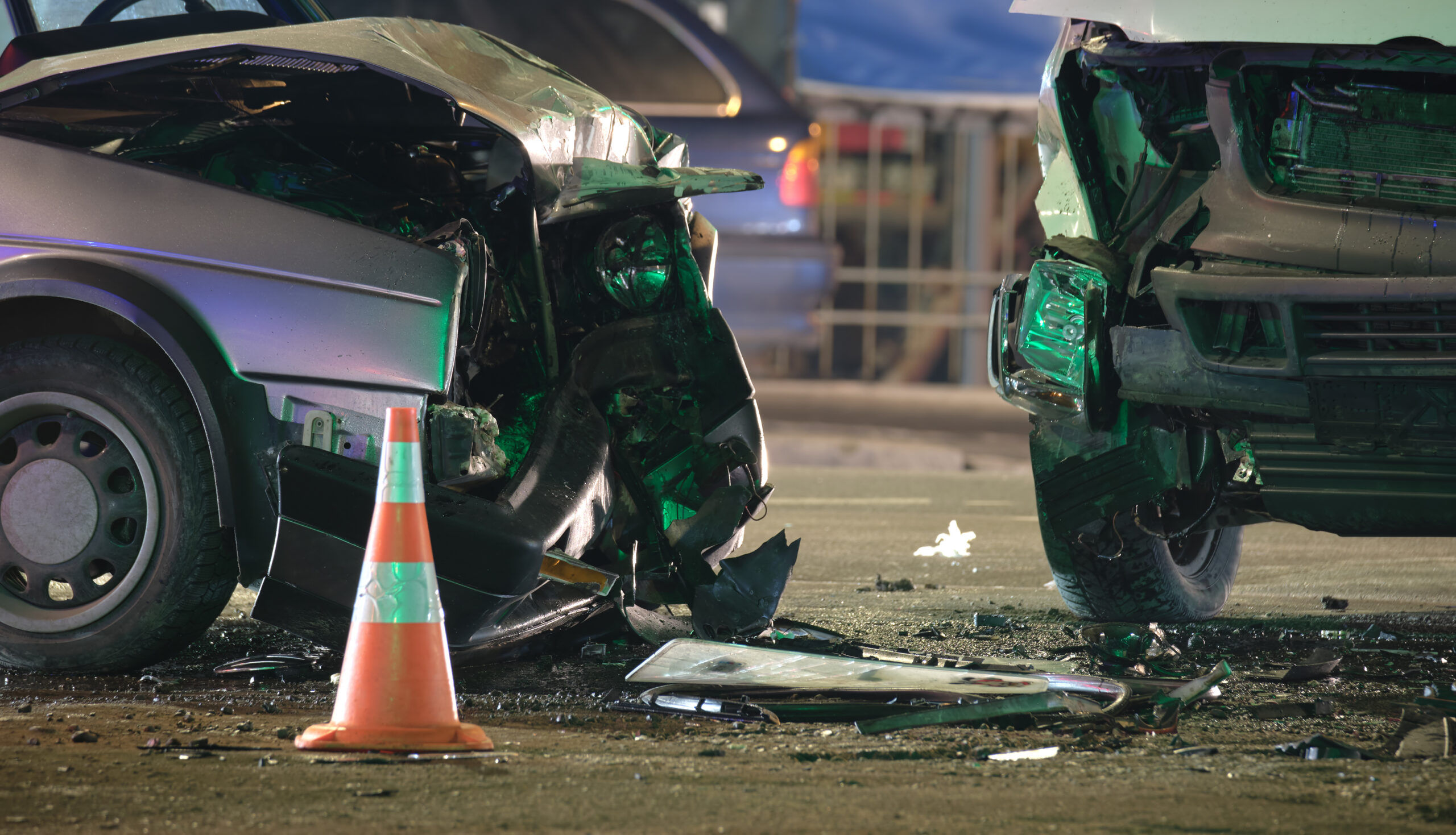
Establishing liability in a highway merging accident can be legally complex because both drivers often claim the other invaded their space.
Virginia strictly follows the contributory negligence doctrine. Under this rule, if an injured party contributed even 1% to the cause of the accident, they are barred from recovering compensation from the other driver.
Insurance adjusters frequently use the confusion of a merging accident to argue that both drivers shared fault, aiming to deny claims entirely. Proving the other driver was 100% responsible requires gathering clear, persuasive evidence:
- Dashcam and Highway Camera Footage: Visual evidence showing speed, signal usage, and lane positioning.
- Eyewitness Testimony: Unbiased statements from third-party drivers who witnessed the merge.
- Physical Vehicle Damage: Forensic analysis of impact points to demonstrate whether it was a direct side-swipe, rear-end impact, or forced off-road event.
- Police Crash Reports: Official law enforcement observations, citations issued at the scene, and initial fault findings.
Protecting Your Rights After a Highway Crash
If you are involved in a merging collision on I-264, I-64, or any Virginia Beach roadway, take these steps immediately:
Contact Law Enforcement: Ensure state or local police respond to document the scene and take statements.
Seek Prompt Medical Attention: Merging crashes often involve high-speed impacts that lead to neck, spine, and traumatic brain injuries—some of which may not show symptoms immediately.
Avoid Making Statements to the Other Driver’s Insurance Company: Do not admit fault or apologize for the crash.
Schedule a Consultation with Preston, Wilson & Crandley, PLC
By working with an accident injury attorney in Virginia Beach, you gain access to skilled legal guidance and strong representation. From handling intricate legal matters and negotiating with insurers to advocating for you in court, our experienced injury attorneys ensure you have the best chance of receiving fair compensation for your injuries.
We understand the nuances of Virginia personal injury law. We provide valuable insight into how to approach your case effectively, whether through negotiation with insurance companies or in court.
By working with an auto accident injury attorney in Virginia Beach, you gain access to skilled legal guidance and strong representation.
From handling intricate legal matters and negotiating with insurers to advocating for you in court, our experienced car accident injury lawyers ensure you have the best chance of receiving fair compensation for your injuries.
We understand the nuances of Virginia personal injury law. We can provide valuable insights into how to approach your case effectively, whether through negotiation with insurance companies or in court.
The injury law attorneys at Preston, Wilson & Crandley, PLC advocate on your behalf, ensuring that you are treated fairly and that your case is presented effectively.
Contact Preston, Wilson & Crandley, PLC at (757) 486-2700.
Follow us on Facebook.