

When people think about injuries caused by a car accident, they usually picture broken bones, whiplash, cuts, and other physical trauma. However, some of the most serious and long-lasting injuries are invisible. The emotional and psychological effects of a motor vehicle accident can impact every aspect of a person’s life, often long after physical injuries have healed.
Many accident victims in Virginia Beach experience conditions such as post-traumatic stress disorder (PTSD), anxiety, depression, panic attacks, and driving phobias following a collision. These psychological injuries can interfere with work, relationships, sleep, and overall quality of life.
If another driver’s negligence caused your accident, you may be entitled to compensation for both your physical and emotional injuries. Understanding the symptoms, treatment options, and legal implications of psychological trauma can help you protect your health and your rights.
Can a Car Accident Cause Psychological Injuries?
Yes. A serious car accident is often a traumatic event that can trigger significant emotional distress. Even accidents that do not result in catastrophic physical injuries can leave lasting psychological scars.
During a collision, the brain experiences a sudden surge of stress hormones as it reacts to a perceived threat to survival. For some individuals, those emotional responses diminish over time. For others, the trauma persists and develops into a diagnosable mental health condition.
Psychological injuries are particularly common after:
- High-speed collisions
- Head-on crashes
- Rollover accidents
- Accidents involving fatalities
- Multi-vehicle pileups
- Pedestrian accidents
- Motorcycle accidents
- Crashes involving children
- Drunk driving accidents
The emotional impact of witnessing severe injuries or fearing for one’s life can be profound and long-lasting.
What Is PTSD After a Car Accident?
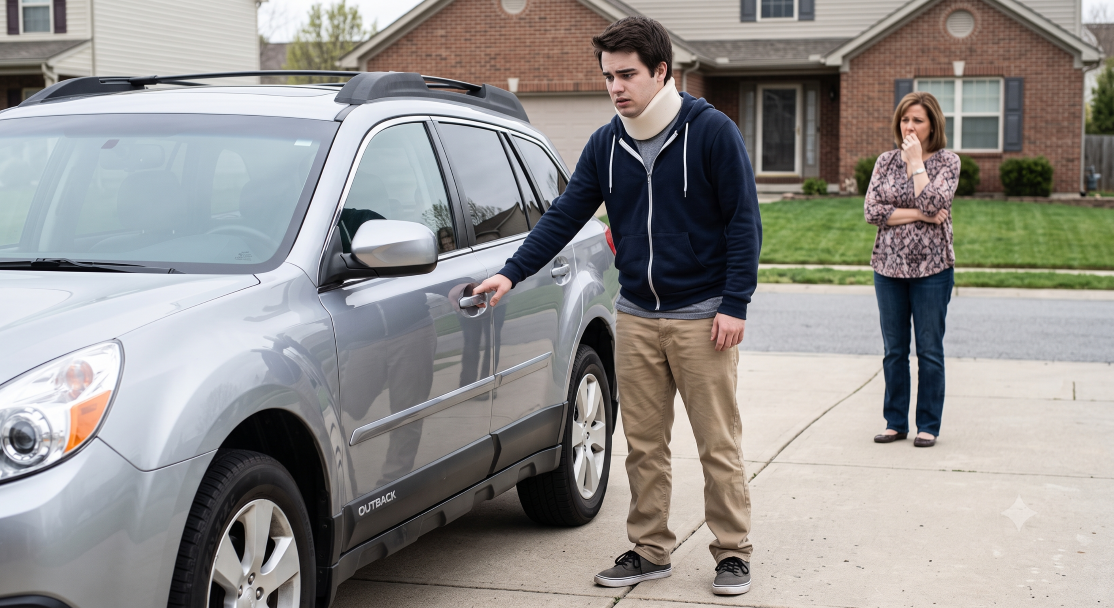
Post-Traumatic Stress Disorder (PTSD) is a mental health condition that can develop after experiencing or witnessing a traumatic event.
While PTSD is often associated with military combat, car accidents are actually one of the most common causes of civilian PTSD.
A person suffering from accident-related PTSD may continue reliving the trauma weeks, months, or even years after the crash.
Common PTSD Symptoms Include:
Intrusive Memories
Victims may experience:
- Flashbacks of the accident
- Unwanted memories
- Nightmares
- Emotional distress when reminded of the crash
Avoidance Behaviors
Many people begin avoiding:
- Driving
- Riding in vehicles
- Certain roads or intersections
- Conversations about the accident
Increased Anxiety and Hypervigilance
Victims may feel:
- Constantly on edge
- Easily startled
- Excessively cautious while driving
- Fearful of everyday traffic situations
Mood and Emotional Changes
PTSD can also cause:
- Depression
- Emotional numbness
- Irritability
- Anger
- Feelings of hopelessness
- Difficulty concentrating
Symptoms can significantly interfere with daily life and professional responsibilities.
Anxiety Disorders After Car Accidents
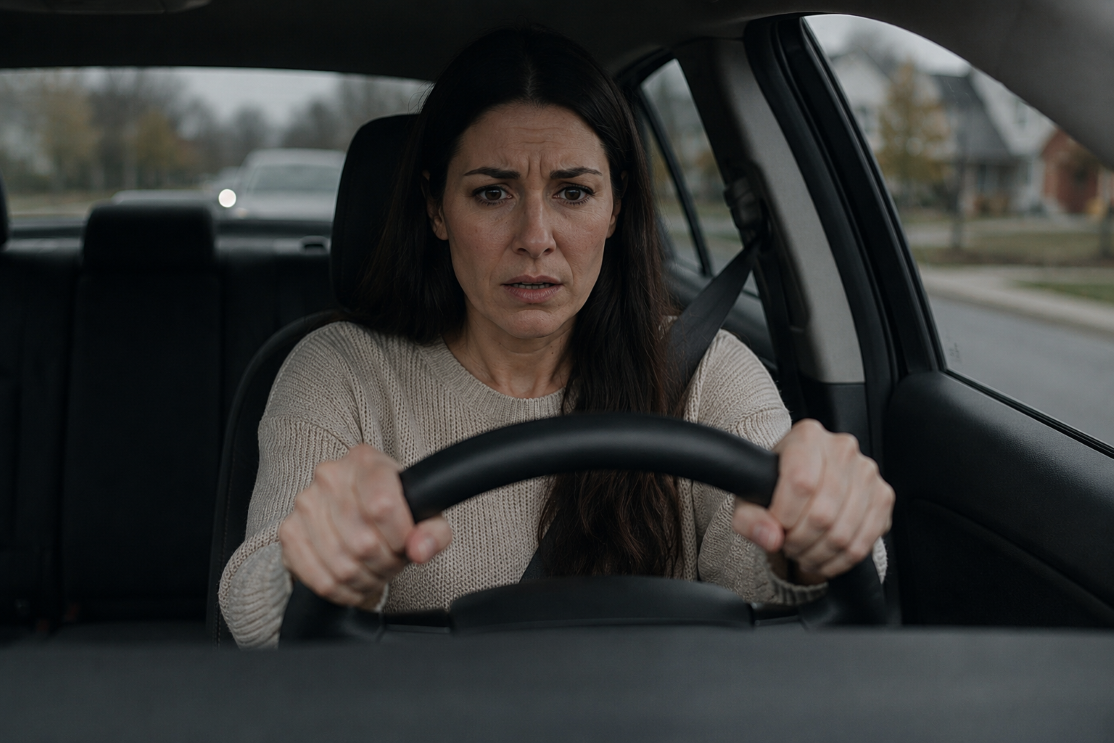
Not every accident victim develops PTSD. However, many experience anxiety disorders that affect their ability to function normally.
Driving Anxiety
One of the most common psychological consequences of a crash is a fear of driving.
Victims may experience:
- Nervousness behind the wheel
- Fear of highways
- Fear of intersections
- Panic when encountering traffic
- Avoidance of driving altogether
For some individuals, simply sitting in a vehicle triggers intense anxiety.
Panic Attacks
Accident survivors may develop panic attacks characterized by:
- Rapid heartbeat
- Shortness of breath
- Sweating
- Chest pain
- Dizziness
- Feelings of impending doom
These episodes can occur unexpectedly and may be triggered by reminders of the accident.
Generalized Anxiety
Some victims develop ongoing anxiety that extends beyond driving situations.
Symptoms may include:
- Excessive worry
- Difficulty sleeping
- Muscle tension
- Restlessness
- Difficulty concentrating
- Irritability
Without treatment, anxiety disorders can become chronic conditions.
Depression Following a Motor Vehicle Accident
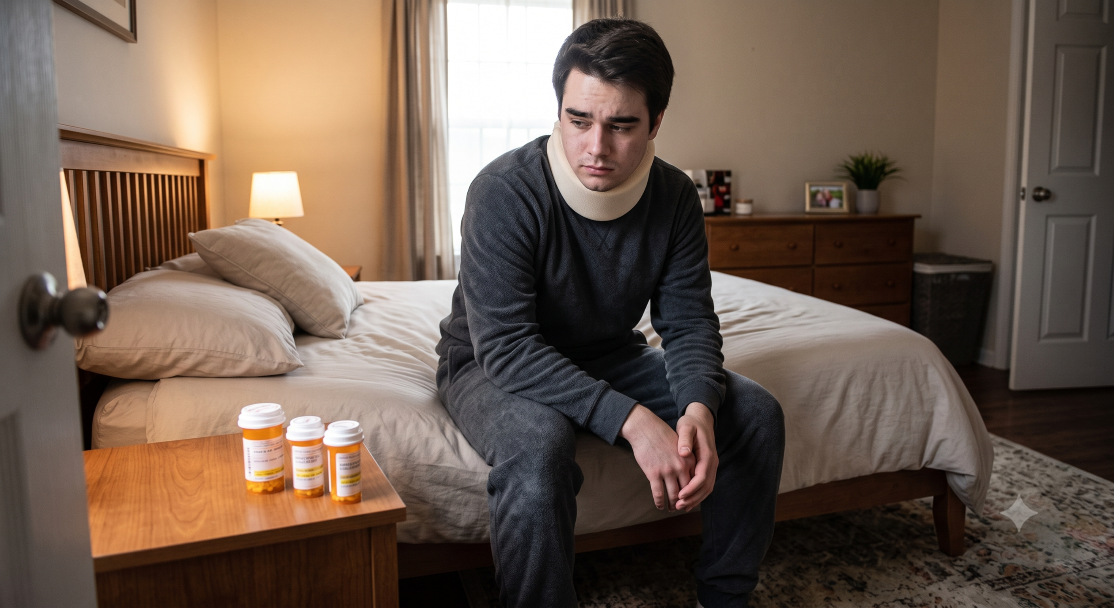
Depression is another common psychological injury after a crash.
The emotional toll of injuries, medical treatment, financial stress, and lifestyle disruptions can contribute to depression.
Symptoms often include:
- Persistent sadness
- Loss of interest in activities
- Social withdrawal
- Fatigue
- Sleep disturbances
- Changes in appetite
- Feelings of worthlessness
Individuals who suffer serious injuries may be particularly vulnerable if their recovery limits their independence or ability to work.
How Psychological Injuries Affect Daily Life
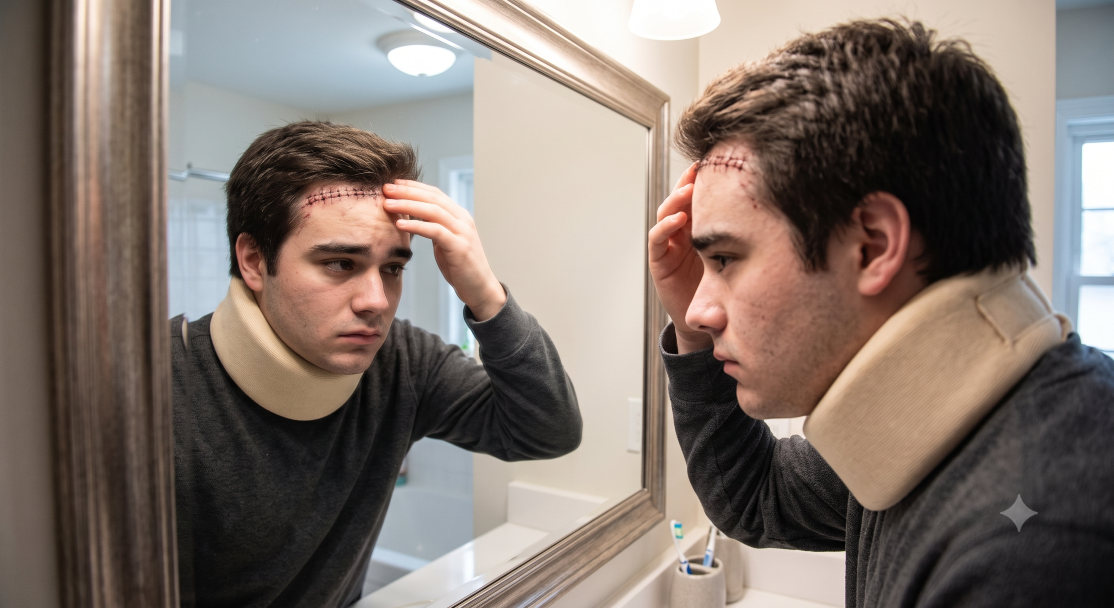
The effects of PTSD and anxiety often extend far beyond emotional discomfort.
Victims may struggle with:
Employment Challenges
Psychological symptoms can impact:
- Concentration
- Productivity
- Attendance
- Workplace relationships
Some individuals may be unable to return to their previous jobs.
Family and Relationship Strain
Accident-related trauma can affect spouses, children, and other loved ones.
Symptoms such as irritability, withdrawal, or emotional numbness can create tension within relationships.
Loss of Enjoyment of Life
Many victims stop participating in activities they once enjoyed because of fear, anxiety, or depression.
This diminished quality of life is a very real consequence of psychological injury.
Diagnosing Psychological Injuries After an Accident
Unlike broken bones or visible wounds, psychological injuries cannot be confirmed through X-rays or MRI scans.
Proper diagnosis often involves evaluation by:
- Psychologists
- Psychiatrists
- Licensed therapists
- Mental health counselors
Medical professionals may use clinical interviews, psychological assessments, and diagnostic criteria to determine whether a patient is suffering from PTSD, anxiety, depression, or another trauma-related condition.
Seeking professional help as soon as symptoms appear is important for both recovery and documentation of your injuries.
Treatment Options for PTSD and Anxiety

Psychological injuries are treatable, and many accident victims experience significant improvement with proper care.
Common treatments include:
Therapy
Evidence-based therapies include:
- Cognitive Behavioral Therapy (CBT)
- Exposure Therapy
- Trauma-Focused Therapy
- Eye Movement Desensitization and Reprocessing (EMDR)
Medication
Doctors may prescribe medications to help manage:
- Anxiety
- Depression
- Sleep disturbances
- Panic attacks
Support Groups
Connecting with others who have experienced traumatic events can provide emotional support and coping strategies.
Lifestyle Adjustments
Many individuals benefit from:
- Regular exercise
- Stress management techniques
- Mindfulness practices
- Healthy sleep habits
Early intervention often improves long-term outcomes.
Can You Recover Compensation for Psychological Injuries in Virginia?

Yes. Virginia law generally allows accident victims to seek compensation for emotional and psychological harm caused by another person’s negligence.
In a personal injury claim, damages may include:
Medical Expenses
This can include costs related to:
- Therapy
- Counseling
- Psychiatric treatment
- Prescription medications
Lost Income
If psychological injuries prevent you from working, you may be able to recover compensation for:
- Lost wages
- Reduced earning capacity
- Future income losses
Pain and Suffering
Virginia law recognizes that accident victims may experience emotional distress, mental anguish, and reduced quality of life.
Compensation for pain and suffering may account for:
- PTSD symptoms
- Anxiety
- Depression
- Emotional trauma
- Loss of enjoyment of life
Proving Psychological Injuries in a Personal Injury Claim
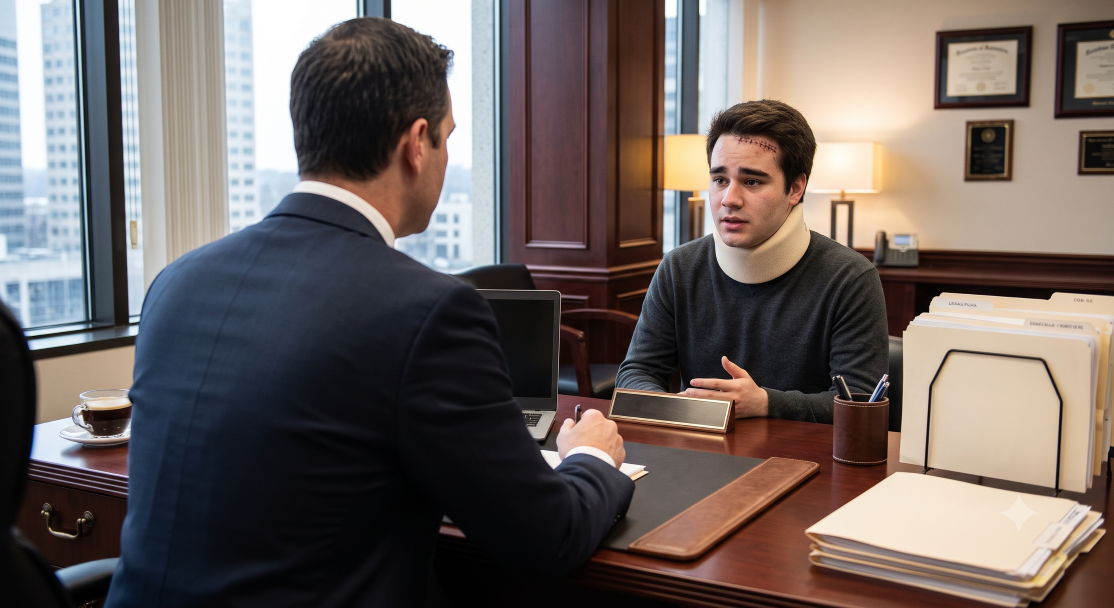
Psychological injuries are legitimate injuries, but they often require strong supporting evidence.
Helpful evidence may include:
- Mental health records
- Psychological evaluations
- Therapy notes
- Expert testimony
- Medical diagnoses
- Prescription records
- Testimony from family members and friends
Documenting symptoms and seeking treatment promptly can strengthen your claim.
Virginia’s Contributory Negligence Rule
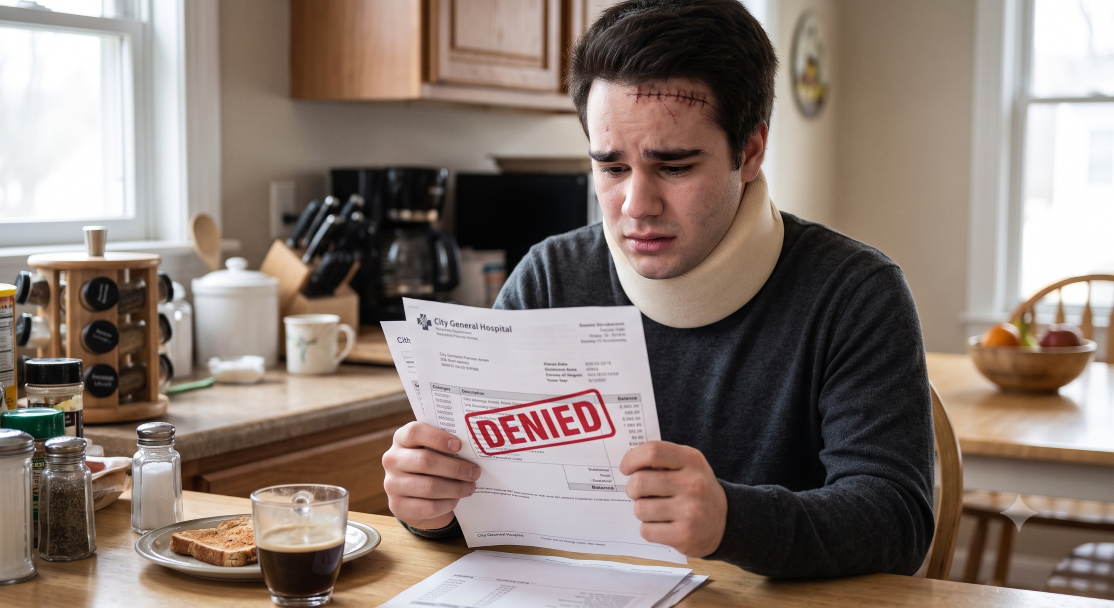
Virginia follows a strict contributory negligence doctrine.
Under this rule, an injured person may be barred from recovering compensation if they are found even partially responsible for causing the accident.
Because this rule can significantly affect a claim, it is important to work with an experienced Virginia Beach personal injury attorney who can investigate the accident and protect your rights.
What Should You Do If You Are Experiencing PTSD or Anxiety After a Car Accident?
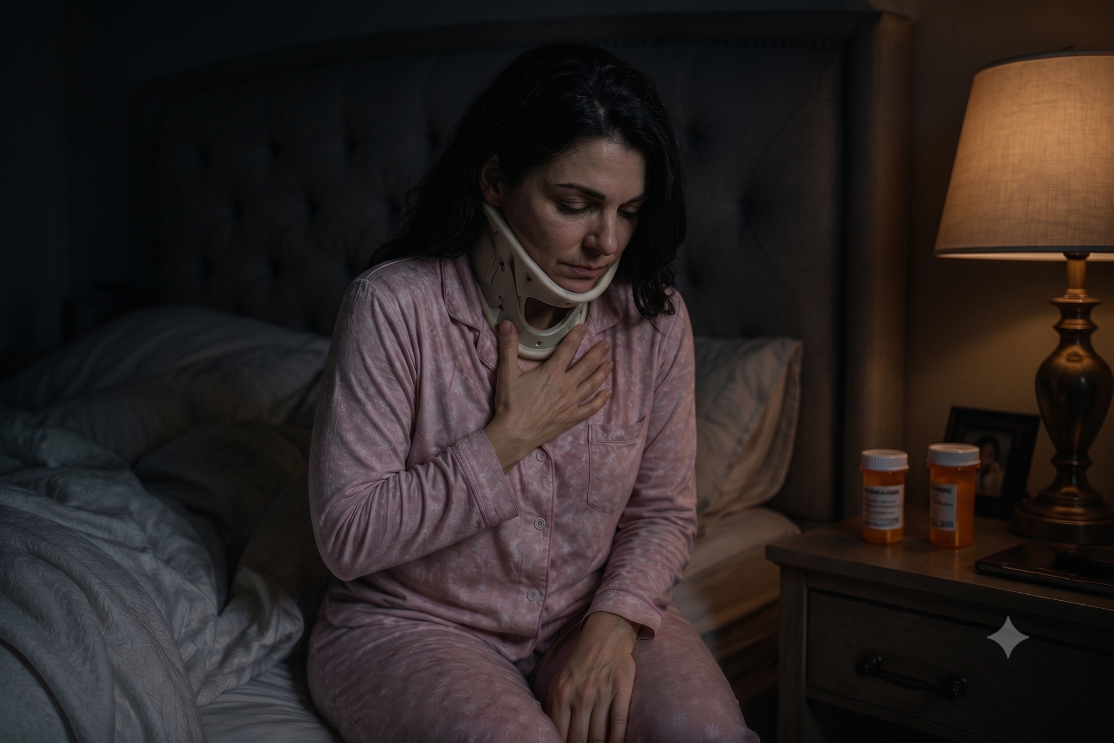
If you notice emotional or psychological symptoms after an accident, consider taking the following steps:
- Seek medical attention immediately.
- Speak with a licensed mental health professional.
- Follow all treatment recommendations.
- Keep records of symptoms and treatment.
- Avoid minimizing or ignoring emotional distress.
- Consult a personal injury attorney regarding your legal options.
Many accident victims focus solely on physical injuries and delay treatment for emotional symptoms. Unfortunately, untreated psychological injuries often worsen over time.
Final Thoughts
The emotional consequences of a car accident can be just as debilitating as physical injuries. PTSD, anxiety, depression, and other psychological conditions can affect every aspect of your life and may require extensive treatment.
If you or a loved one has suffered psychological injuries following a car accident in Virginia Beach, you may have the right to pursue compensation for the full extent of your losses. An experienced personal injury attorney can help gather evidence, work with medical professionals, and seek the financial recovery you deserve while you focus on healing.
Understanding and addressing emotional trauma is an important part of any accident recovery, and you should never feel that psychological injuries are less serious than physical ones. Both deserve recognition, treatment, and legal consideration.
Schedule a Consultation with Preston, Wilson & Crandley, PLC

By working with an accident injury attorney in Virginia Beach, you gain access to skilled legal guidance and strong representation. From handling intricate legal matters and negotiating with insurers to advocating for you in court, our experienced injury attorneys ensure you have the best chance of receiving fair compensation for your injuries.
We understand the nuances of Virginia personal injury law. We provide valuable insight into how to approach your case effectively, whether through negotiation with insurance companies or in court.
By working with an auto accident injury attorney in Virginia Beach, you gain access to skilled legal guidance and strong representation.
From handling intricate legal matters and negotiating with insurers to advocating for you in court, our experienced car accident injury lawyers ensure you have the best chance of receiving fair compensation for your injuries.
We understand the nuances of Virginia personal injury law. We can provide valuable insights into how to approach your case effectively, whether through negotiation with insurance companies or in court.
The injury law attorneys at Preston, Wilson & Crandley, PLC advocate on your behalf, ensuring that you are treated fairly and that your case is presented effectively.
Contact Preston, Wilson & Crandley, PLC at (757) 486-2700.
Follow us on Facebook.